New Orleans, Louisiana
Gluten-Free New Orleans Guide
New Orleans is the hardest food city in America for celiacs, and it is not close. Almost everything people travel here for, gumbo, etouffee, po-boys, beignets, is wheat from the ground up. The good news is that once you understand why, and it is the roux, almost always the roux, the city stops being a minefield and turns into a short list of clear yes-and-no calls. Learn that list and you eat well instead of white-knuckling every menu.
It is the roux, so start there
Roux is the cooked paste of wheat flour and fat under gumbo, etouffee, and most Creole and Cajun sauces, and it is invisible by the time the dish reaches you. That is what makes this city different from a steakhouse town where you can eyeball the risk. Here the gluten is cooked into the foundation hours before service.
So the most useful question in New Orleans is not is this gluten-free, it is is this roux-based. Ask that and you clear most of the danger in one move. A few kitchens make a rice-flour or cornstarch roux; most do not, and they will tell you plainly if you ask.
The hard no's, and they sting because they are why you came
Po-boys are out: that crackly New Orleans French loaf is the whole point, and it is wheat. Gumbo and etouffee are out on the roux. Beignets are fried wheat dough under a snowstorm of powdered sugar that coats every surface at the cafe au lait counter. A muffuletta is a bread sandwich with a fancier name. And anything fried, shrimp, oysters, catfish, fried green tomatoes, is battered and sharing oil with more batter.
None of these bend at the table, so the move is to stop chasing them and build around the long list of things that do work.
What you can actually eat, and it is a lot
The city runs on rice as much as wheat, and the rice side is mostly yours: red beans and rice (the Monday plate; confirm the andouille, some carries wheat filler), and jambalaya (rice-based and often fine, but a confirm-no-flour dish, not a free pass).
Char-grilled oysters are a local glory and naturally safe if the topping is just butter, garlic, and parmesan, and raw oysters are the safest thing in town. Boiled crawfish, shrimp, and crab by the pound are great, with the one catch being the boil seasoning, so ask, since blends vary. And the cocktail culture is almost entirely in your favor: the Sazerac was basically invented here. Skip beer, watch frozen-daiquiri mixes for malt, and you are set.
Eat by neighborhood, not as one big problem
The French Quarter is touristy and fry-heavy, but it is where the raw bars and char-grilled oysters live, so steer to seafood and you get a safe, iconic meal. Marigny and Bywater skew newer and more health-conscious, which gives you the best odds of a kitchen that already knows what a gluten-free roux means; start there if you want a place that gets it.
Magazine Street, running Uptown through the Garden District, is a long strip of modern, ingredient-driven restaurants and the easiest place to find a clearly marked menu. Mid-City is more local and less touristy, the neighborhood-joint side of the cuisine that happens to skew safer.
Festival and Bourbon Street season
Jazz Fest, French Quarter Fest, and Mardi Gras are when the city is most fun and most dangerous, because food moves to outdoor booths and shared fryers with no kitchen to interrogate. The unglamorous move is to eat a real, vetted meal before you go and carry your own snacks in.
The famous festival items, crawfish bread and the soft-shell po-boy, are off the table anyway, so you are missing less than it feels, and the to-go cocktails are a genuinely good consolation prize.
Gluten-free planning checklist for New Orleans
- Ask if any sauce is roux-based before ordering
- Default to rice dishes and the raw bar
- Check the boil seasoning on crawfish and shrimp
- Eat before festivals and carry snacks in
Frequently asked questions
Why is New Orleans so hard for celiacs?
Because a wheat-flour roux is the base of gumbo, etouffee, and most Creole and Cajun sauces, and it is cooked in long before the dish reaches you. Once you steer around roux, bread, and the fryer, the city's rice dishes and raw bar open up.
Can I eat gumbo gluten-free in New Orleans?
Almost never. Traditional gumbo and etouffee start with a wheat-flour roux. A few kitchens make a rice-flour or cornstarch version, so ask directly, but assume standard gumbo is not safe.
Gluten-free-friendly spots in New Orleans
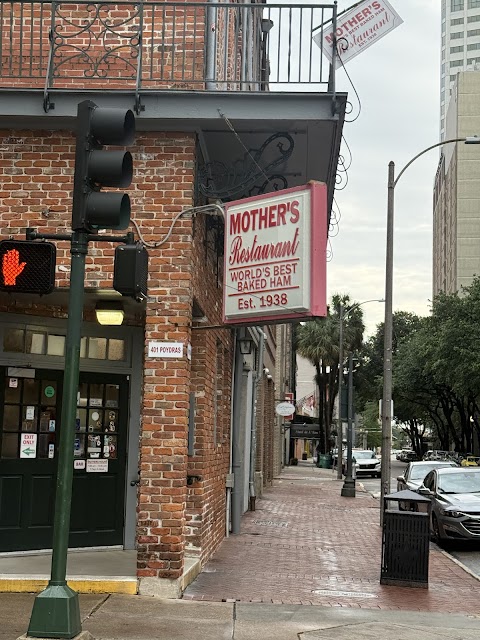
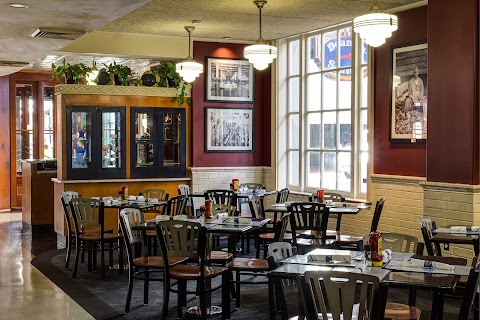
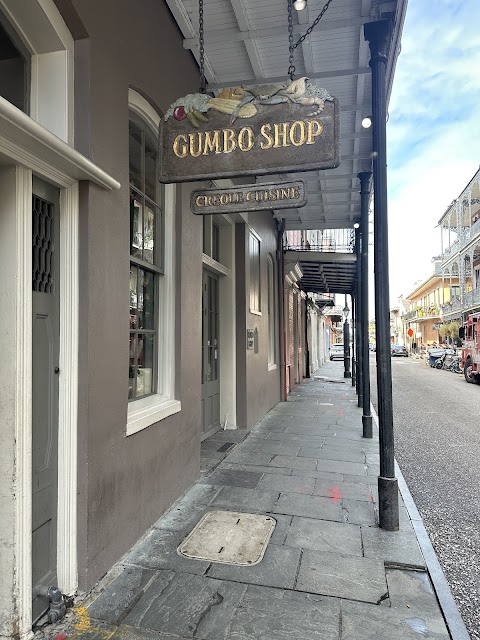
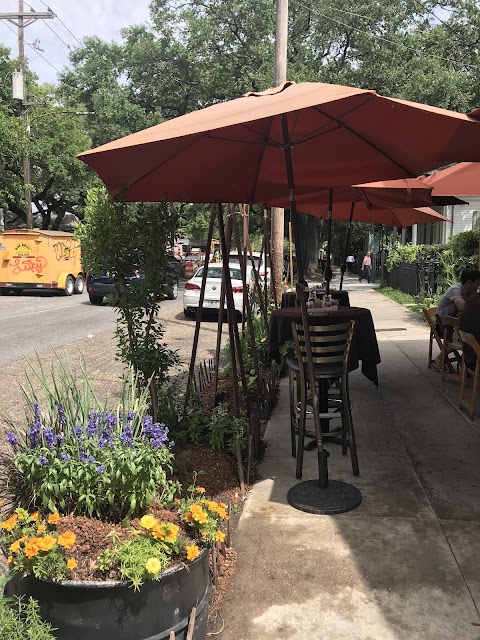
Community-rated on Google and refreshed regularly. These are a starting point for your own research, not a celiac-safe guarantee — always confirm preparation and cross-contact with the kitchen before ordering.

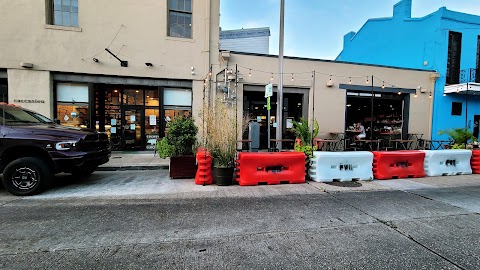

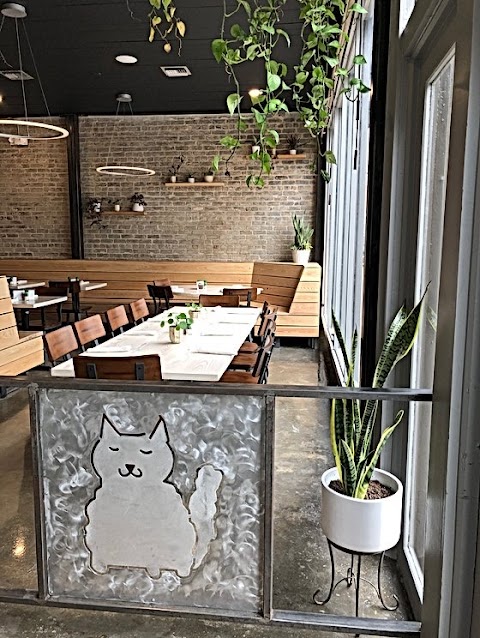
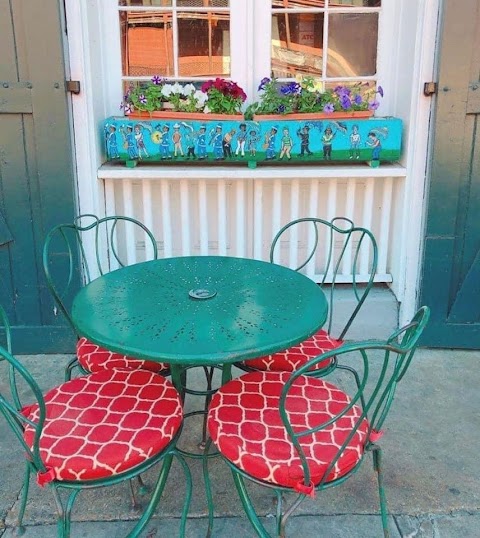
Photos and ratings via Google. Updated automatically.
Latest in gluten-free
Fresh headlines, updated daily — recalls and research worth knowing.
Headlines via Google News. Tap to read at the source.
Get the gluten-free travel copilot.
Scan foods, review restaurants, use dining cards, and travel with more confidence. 7-day free trial, then $19.99/year.
Start 7-day free trial